Clinical

Amplexa Genetics develops comprehensive clinical genetic tests

We offer several specific panels based on Next Generation Sequencing (NGS).

Choose the test that you think corresponds to your needs, you can do this by reading the description below.

Trio Exome

Analysis of family pedigrees: Patient-Father-Grandfather or Patient-Mother-Father.

Trio Exome offers a powerful approach to identify causal mutations for inherited diseases or medical conditions.

Ehlers-Danlos Syndrome - Connective Tissue

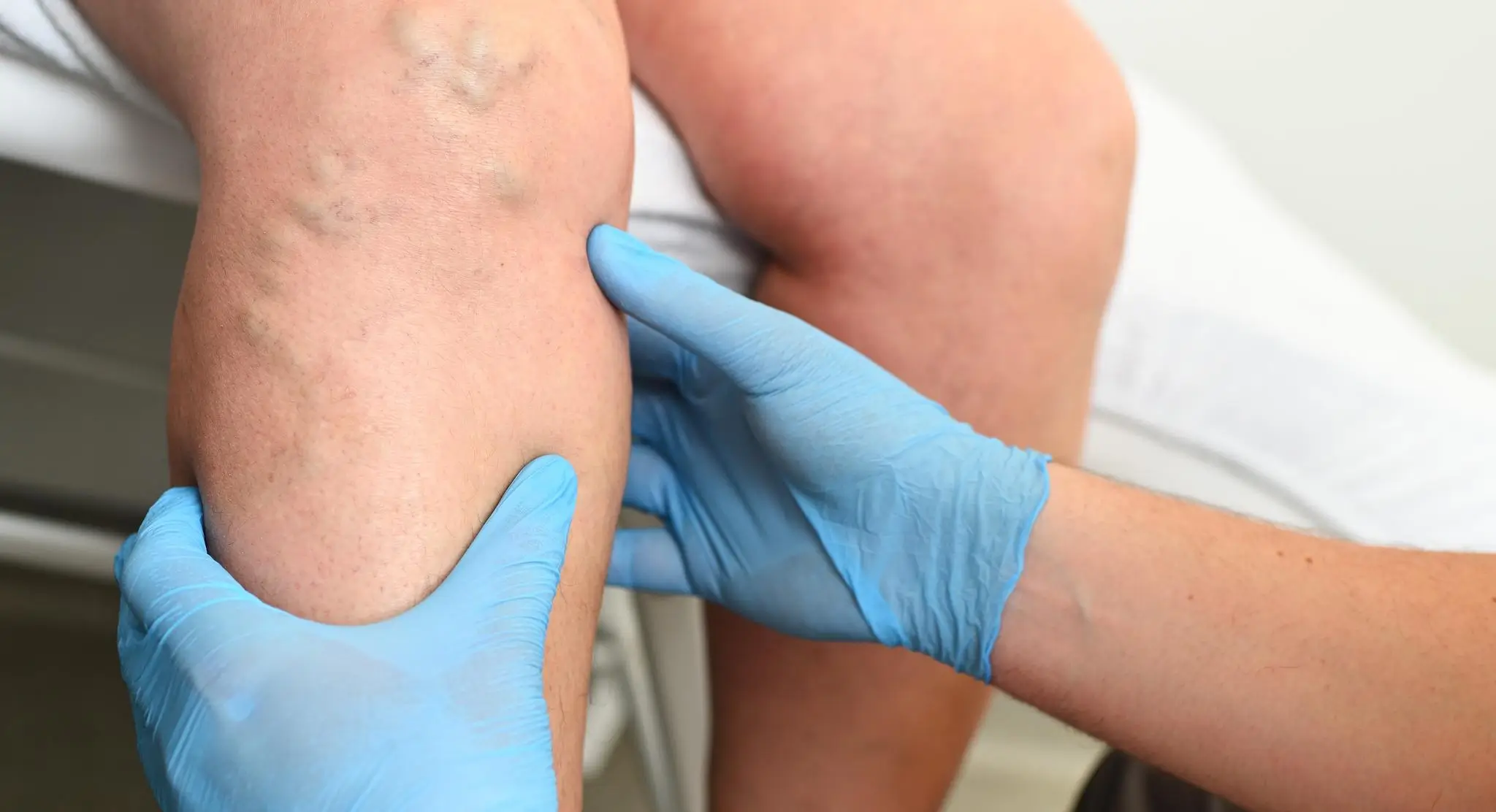
A group of hereditary disorders of connective tissue supporting the skin, joints, blood vessels, and many other organs and tissues. The underlying cause is an abnormal structure or function of collagen and proteins that provide strength and elasticity.

Thrombophilia

A group of multicausal disorders in which blood has an increased tendency to clot. Thrombophilia is associated with a high risk of developing deep venous thrombosis and/or venous thromboembolism.

Endocrinology

Inherited endocrine disorders comprise a diverse group of conditions affecting hormone production, regulation, and endocrine gland function. Accurate molecular diagnosis can help confirm the underlying cause of disease, guide clinical treatment decisions, and facilitate genetic counselling. Genetic variants can underlie disorders of the thyroid, adrenal glands, pituitary gland, parathyroid glands, pancreas, and reproductive endocrine system.

Late-Onset Dominant Disorders

Late-onset genetic disorders are inherited conditions that typically manifest during adolescence or adulthood. Many of these disorders follow an autosomal dominant inheritance pattern, meaning that a single pathogenic variant is sufficient to cause disease and each child of an affected individual has a 50% risk of inheriting the condition.

OPTHALMOLOGY

Inherited eye disorders are a major cause of visual impairment and blindness, affecting both children and adults.

Advances in genetic testing have transformed the diagnosis and management of ophthalmic diseases, enabling earlier diagnosis, more accurate prognoses, informed family planning, and access to emerging targeted therapies and clinical trials.

RICKETS

Rickets is a group of disorders characterized by impaired bone mineralization, resulting in soft and weakened bones during childhood. While nutritional deficiencies are the most common cause, inherited forms of rickets arise from pathogenic variants in genes involved in vitamin D metabolism, phosphate homeostasis, and bone mineralization.